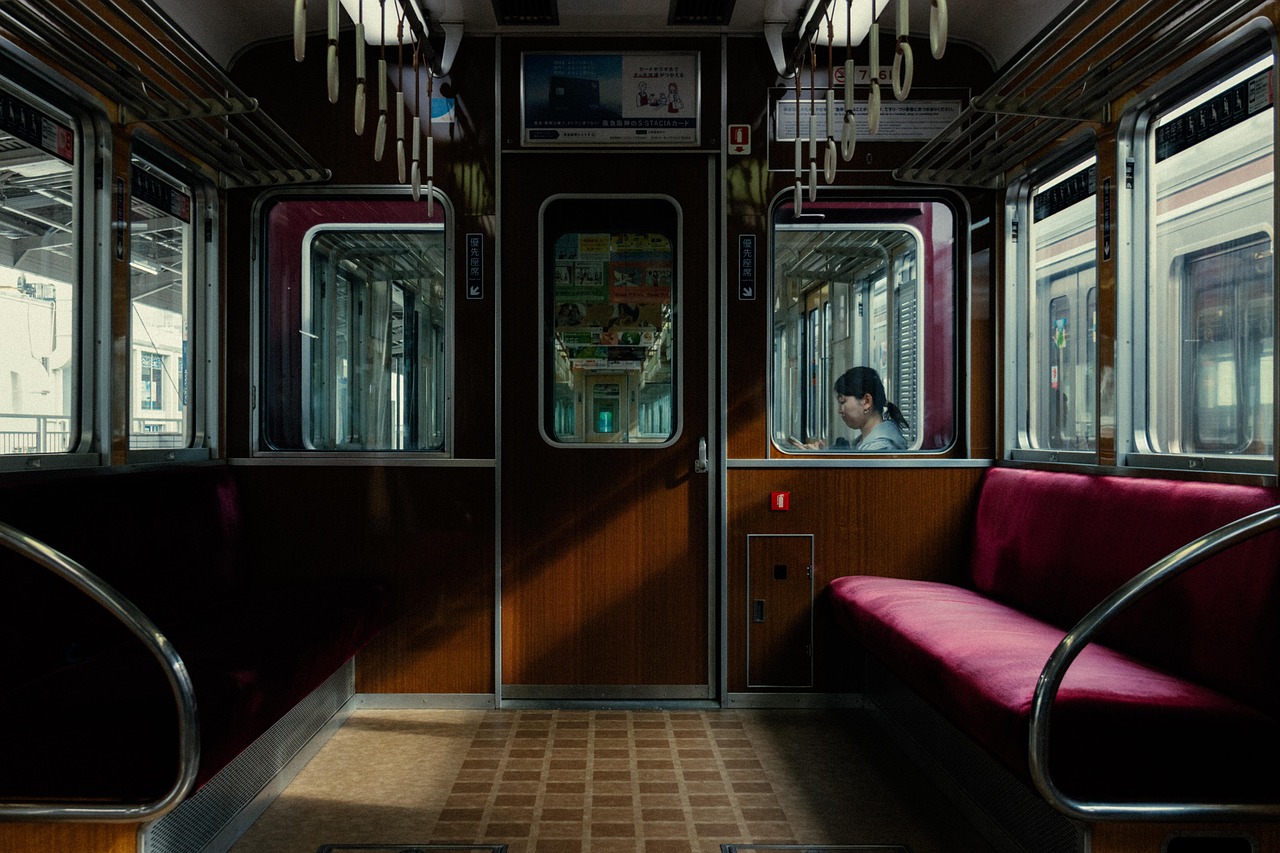
Our screens have become constant companions, but this digital intimacy comes at a cost. The average person now spends over seven hours daily staring at various devices, creating a modern epidemic of digital fatigue, anxiety, and disconnection from real life.

The blue glow of our smartphones has replaced sunsets, and notification pings have drowned out the sounds of nature. We’re living in an era where digital overload isn’t just a minor inconvenience—it’s a genuine threat to our mental health, physical well-being, and quality of life. But there’s hope. By implementing refreshing routines and intentional practices, we can reclaim our lives from the screen’s grip and rediscover what it means to truly live.
🧠 Understanding the Real Cost of Digital Overload
Before we can escape the screen, we need to understand what it’s doing to us. Digital overload affects every aspect of our lives, from our sleep patterns to our relationships. Research shows that excessive screen time triggers the same reward pathways in our brains as addictive substances, making it incredibly difficult to simply “put the phone down.”
The consequences are far-reaching. Our attention spans have shrunk dramatically, with the average person now unable to focus for more than eight seconds without seeking distraction. Our eyes strain under the constant barrage of blue light, leading to headaches, dry eyes, and long-term vision problems. Our posture suffers as we hunch over devices, creating what doctors now call “tech neck.”
But perhaps most concerning is the impact on our mental health. Studies consistently link excessive screen time with increased rates of anxiety, depression, and loneliness. The irony is profound: we’re more “connected” than ever, yet we’ve never felt more isolated.
📱 Recognizing Your Digital Dependency Patterns
The first step toward freedom is awareness. Most of us drastically underestimate how much time we spend on our devices. Start by tracking your actual screen time for one week without changing your behavior. The results might shock you.
Common signs of digital dependency include reaching for your phone first thing in the morning, feeling anxious when you can’t check notifications, using devices while eating meals, scrolling before bed, and experiencing phantom vibration syndrome. If three or more of these sound familiar, it’s time for a digital intervention.
The Notification Trap
Notifications are designed to hijack your attention. Each ping triggers a dopamine response, training your brain to constantly seek that next hit of stimulation. Breaking free requires ruthlessly managing these interruptions. Turn off all non-essential notifications immediately. Your phone should serve you, not summon you.
🌅 Morning Routines: Starting Screen-Free
The morning sets the tone for your entire day. Yet millions of people reach for their phones before their feet even touch the floor. This single habit can determine whether you’ll feel anxious and reactive or calm and intentional throughout the day.
Create a sacred screen-free morning routine that lasts at least 30 minutes after waking. This might include meditation, journaling, stretching, preparing a real breakfast, or simply sitting with your thoughts. The key is to delay that first digital hit, allowing your brain to wake naturally without the immediate stress of emails, news, and social media.
Keep your phone in another room overnight. Use a traditional alarm clock instead. This simple change removes the temptation to scroll the moment you wake up and eliminates the sleep-disrupting effects of checking your phone during the night.
The Power of Analog Mornings
Replace your morning scroll with activities that engage your senses and body. Read a physical book or newspaper. Do some gentle yoga or stretching. Prepare breakfast mindfully, focusing on the smells, textures, and tastes. Step outside and breathe fresh air. These analog experiences reconnect you with the physical world and prepare your mind for focused, intentional work.
🏃♀️ Movement as Digital Detox Medicine
Physical movement is one of the most effective antidotes to digital overload. Exercise doesn’t just improve physical health—it literally rewires your brain, reducing anxiety, improving focus, and releasing feel-good endorphins that screen time can never truly provide.
Schedule non-negotiable movement breaks throughout your day. A 10-minute walk after lunch. A quick yoga session mid-afternoon. Even standing and stretching every hour makes a difference. These breaks interrupt the hypnotic pull of screens and remind your body that it exists in three-dimensional space.
Consider activities that make screen use impossible: swimming, rock climbing, playing a musical instrument, gardening, or cooking elaborate meals. These engaging hobbies provide the stimulation and sense of accomplishment we often seek from our devices, but with genuine, lasting benefits.
🍽️ Reclaiming Mealtime from Digital Intrusion
Eating while scrolling has become disturbingly normal, yet this habit disconnects us from our food, our bodies, and the people around us. Make every meal a phone-free zone. This single rule can transform your relationship with food and drastically reduce daily screen time.
Practice mindful eating at least once daily. Notice the colors on your plate, inhale the aromas, chew slowly, and actually taste your food. This practice grounds you in the present moment and provides the mental break your overstimulated brain desperately needs.
If you eat with others, implement a phone basket where everyone deposits their devices during meals. This creates space for real conversation, eye contact, and human connection—things screens can never replicate.
💼 Creating Digital Boundaries at Work
For many people, screens are unavoidable during work hours. However, how you use screens matters tremendously. Implement the Pomodoro Technique: 25 minutes of focused work followed by a 5-minute screen-free break. After four cycles, take a longer 15-30 minute break away from all devices.
Batch-process emails and messages rather than constantly checking throughout the day. Set specific times to check communications—perhaps 9 AM, 12 PM, and 4 PM—and resist the urge to peek in between. This protects your focus and reduces the anxiety-inducing cycle of constant availability.
The Single-Tasking Revolution
Multitasking is a myth. Your brain isn’t designed to handle multiple streams of digital information simultaneously. Instead, it rapidly switches between tasks, depleting mental energy and reducing quality across everything you do. Commit to single-tasking: close unnecessary tabs, silence notifications, and give one task your full attention before moving to the next.
🌙 Evening Wind-Down: Preparing for Restorative Sleep
Blue light from screens suppresses melatonin production, making it harder to fall asleep and reducing sleep quality. Implement a digital sunset: no screens for at least one hour before bed, preferably two. This might be the most challenging routine to establish, but it’s also the most transformative.
Replace evening scrolling with activities that signal to your body it’s time to rest. Take a warm bath or shower. Read a physical book. Practice gentle stretching or meditation. Prepare tomorrow’s clothes or lunch. Journal about your day. These calming rituals help transition your mind from the day’s stimulation to restful sleep.
Keep your bedroom a screen-free sanctuary. No TV, no laptop, no phone within arm’s reach. Your bedroom should be associated exclusively with sleep and rest, not digital stimulation. This environmental cue helps your brain automatically shift into sleep mode when you enter the space.
🌳 Nature Immersion: The Ultimate Screen Alternative
Spending time in nature provides benefits that no app, video, or virtual experience can match. Even 20 minutes outdoors can significantly reduce stress hormones, lower blood pressure, and improve mood. Nature doesn’t just compete with screens—it obliterates them in terms of genuine well-being benefits.
Schedule regular nature time as seriously as you would any important appointment. Walk in a park during lunch. Hike on weekends. Garden in your yard. Sit under a tree and simply observe. These experiences reconnect you with natural rhythms and remind you of life beyond the digital realm.
Practice “forest bathing,” the Japanese concept of shinrin-yoku. This isn’t about exercise or destination—it’s about being present among trees, using all your senses to experience the natural world. The practice has been scientifically proven to boost immune function, reduce anxiety, and improve overall well-being.
👥 Rebuilding Real Human Connection
Social media promises connection but often delivers loneliness. Real relationships require presence, vulnerability, and uninterrupted attention—things impossible when phones constantly divide our focus. Commit to phone-free socializing. When spending time with friends or family, be fully present.
Schedule regular face-to-face interactions that don’t involve screens. Share meals, take walks, play board games, or engage in hobbies together. These analog activities build stronger bonds than any amount of liking, commenting, or messaging ever could.
Have honest conversations with loved ones about digital boundaries. Many families and friendships have been damaged by excessive screen use. Setting mutual expectations about phone-free time demonstrates respect and creates space for genuine intimacy.
🎯 Strategic App Management and Digital Minimalism
Not all screen time is created equal. Passive scrolling through social media drains energy and provides minimal value. Active learning, creative projects, or meaningful communication can be enriching. Audit your apps ruthlessly, deleting anything that doesn’t add genuine value to your life.
For apps you need but want to use less, move them off your home screen into folders that require multiple taps to access. This small friction often prevents mindless opening. Better yet, delete social media apps entirely and access them only through a web browser when absolutely necessary.
Consider apps that help reduce screen time rather than increase it. Tools that track usage, block distracting apps during focused work periods, or remind you to take breaks can support your screen-reduction goals.
📚 Rediscovering Analog Pleasures
Before smartphones, people filled their time with activities we’ve nearly forgotten. Reading physical books engages your brain differently than scrolling articles. The tactile experience, the lack of hyperlinks, and the deeper focus required all contribute to better comprehension and enjoyment.
Explore hobbies that require hands-on engagement: painting, woodworking, knitting, cooking, playing music, or building models. These activities provide the sense of progress and accomplishment we often seek from games and apps, but with tangible results you can touch, use, or share with others.
Write letters by hand. The slower, more thoughtful process of handwriting encourages deeper reflection and creates meaningful artifacts that recipients treasure far more than text messages.
🧘♀️ Mindfulness Practices for the Digital Age
Meditation and mindfulness aren’t just trendy wellness buzzwords—they’re scientifically proven methods for counteracting the negative effects of digital overload. Regular practice strengthens your ability to focus, reduces anxiety, and helps you recognize when you’re reaching for your phone out of habit rather than necessity.
Start with just five minutes daily. Sit comfortably, close your eyes, and focus on your breath. When your mind wanders to your phone, unread messages, or what’s happening online, gently redirect your attention back to breathing. This practice trains the mental muscle you need to resist digital distractions throughout the day.
Practice micro-mindfulness moments throughout your day. When washing hands, actually notice the sensation of water and soap. When walking, feel your feet connecting with the ground. These brief moments of presence interrupt the autopilot mode that leads to endless scrolling.
🔄 Creating Sustainable Long-Term Habits
Breaking digital dependency isn’t about perfection—it’s about progress. Start small with one or two routines that feel manageable, then gradually build. Perhaps begin with no phones during meals and a screen-free morning routine. Once these feel natural, add evening digital boundaries or scheduled phone-free hours.
Track your progress without judgment. Notice how you feel on days with less screen time versus high-usage days. What activities fill the time you previously spent scrolling? How do your energy levels, mood, and sleep quality change? This awareness reinforces the benefits and motivates continued effort.
Expect setbacks and don’t let them derail your progress. You’ll have days when stress, boredom, or habit pulls you back into excessive screen time. Acknowledge it, reflect on what triggered the relapse, and simply begin again the next day. Building new habits is a process, not a single decision.

✨ Embracing the Freedom Beyond the Screen
Life beyond constant digital stimulation might feel uncomfortable at first. We’ve become so accustomed to filling every moment with content that silence and stillness can feel unbearable. But push through this discomfort. On the other side lies something our overstimulated culture has nearly forgotten: genuine presence, deep peace, and authentic living.
The time you reclaim from screens becomes available for everything that truly matters—pursuing passions, building relationships, exploring creativity, experiencing nature, and simply being alive in your own body and mind. These aren’t luxuries; they’re essential ingredients for a meaningful, satisfying life.
Your smartphone and devices aren’t evil, but they’re tools that have taken control from their users. By implementing refreshing routines and intentional boundaries, you take that control back. You decide when and how technology serves your life, rather than allowing it to consume your life.
Start today. Choose one routine from this article and implement it immediately. Perhaps put your phone in another room right now and spend 15 minutes doing something entirely analog. Notice how it feels. That tiny experiment might be the first step toward reclaiming your life from the screen’s grip and rediscovering the vibrant, three-dimensional world that’s been waiting for your attention all along. 🌟